
Small, guided groups where children and teens practice real friendship skills—turn-taking, conversation, teamwork, and handling big feelings—with support from trained facilitators.
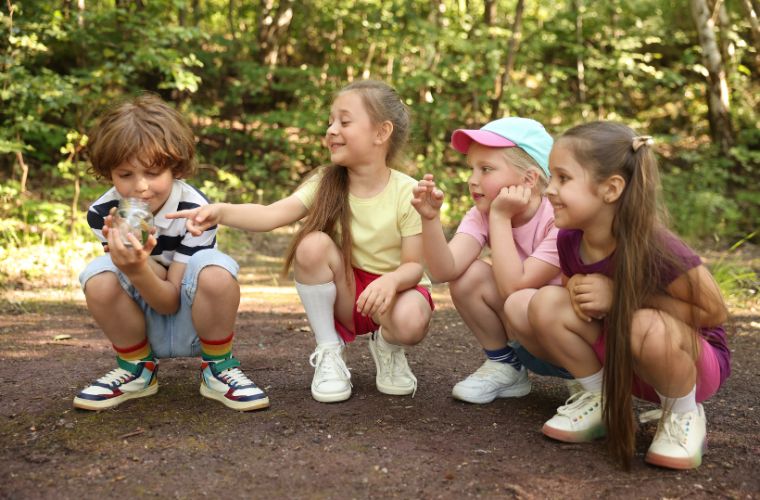
Some skills are hard to teach alone—they need peers. Our social skills groups bring together learners with compatible goals in a structured, upbeat environment so practice feels like play, not a test.
Facilitators model language, coach in the moment, and celebrate effort. We balance clear rules with flexibility so every participant can participate at their own pace while still belonging to the group.
Each series has a theme and measurable targets. Examples below—your child's plan may emphasize some more than others.
Entering play, waiting for a turn, and sharing materials without losing the fun. We use games and cooperative tasks that make reciprocity feel natural.
Greetings, asking questions, staying on topic for a few exchanges, and reading simple social cues—practiced with peers, not only adults.
Labeling feelings, asking for help, and trying a repair after a conflict. We rehearse scripts kids can reuse on the playground.
Following a group plan, accepting a different idea, and finishing a short project together—foundations for classroom and club settings.
Sessions open with a predictable routine so everyone knows what comes next. We mix movement, tabletop activities, and role-play so energy stays positive and attention lasts.
Facilitators give individual feedback in the moment and share quick summaries with families afterward so you know what to encourage between meetings.
Enough peers for real practice—not so many that anyone gets lost in the crowd.
Each participant has targets you can recognize; progress is reviewed as the series continues.
Mistakes are expected; we normalize trying again and celebrate courage—not perfection.
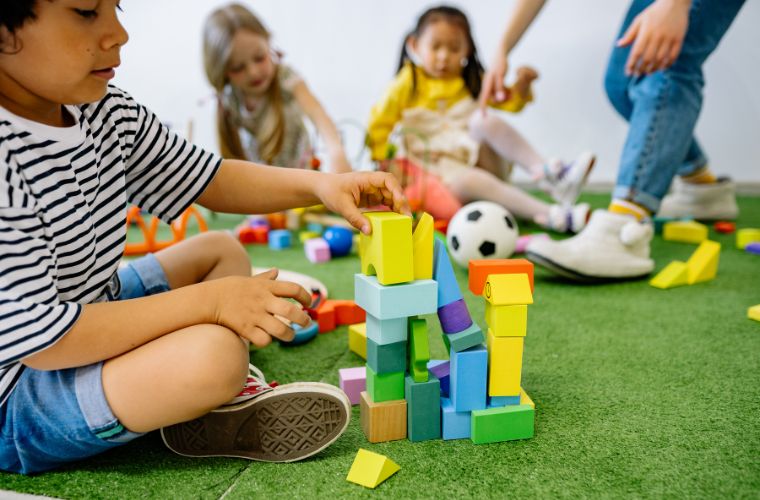
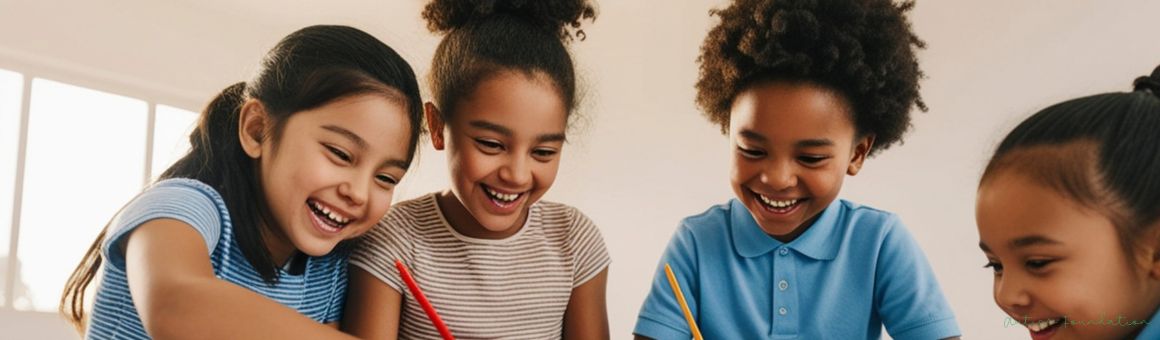
Offerings, ages, and schedules change by season; we confirm fit before the first meeting.
Tell us your child's age, interests, and social goals. We recommend a cohort or let you know when a spot may open.
We gather needed paperwork, discuss expectations, and answer questions about pacing and support.
Weekly or biweekly meetings build habits over time; makeup policies are shared up front.
Short summaries and ideas for practice help families extend group lessons into everyday hangouts.
Many participants also benefit from one-to-one therapy. Explore services that complement group work.
Individual goals and data-driven teaching that can feed directly into what your child practices with peers.
Read moreWhen snack or mealtime is part of group, feeding support can align with social goals around the table.
Read moreYounger learners sometimes graduate into peer groups as imitation and communication skills grow.
Read morePractice at home can reinforce scripts and routines before and after group meetings.
Read moreReady to explore a group for your child?
Contact our Fairfax team for current cohorts, ages served, and how social skills groups can fit alongside your child's therapy plan.