
Support for children who eat a limited range of foods, feel stressed at the table, or need steadier mealtime routines—delivered with patience, clear goals, and practical coaching for caregivers.
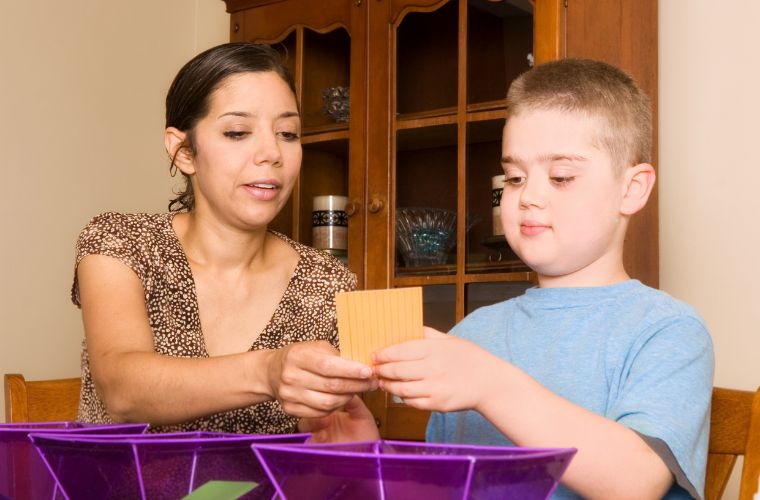
Picky eating is common, but when it narrows quality of life—or worries you about nutrition and growth—it deserves focused help. Our feeding program blends structured teaching with a warm, low-pressure tone so children can practice new skills without shame.
We look at the whole picture: sensory preferences, motor skills at the mouth, seating and routine, and what happens when a meal does not go as planned. Your family's culture and comfort foods stay central; we build from what already works.
Every plan is different. These are common themes families bring to us—and ways we can help.
Gradual exposure to new textures, colors, and brands using steps that respect your child's readiness. We track what is tried, tolerated, and eventually enjoyed—not just what is on the plate.
Consistent seating, timing cues, and caregiver language that reduce battles. Small environmental tweaks can lower anxiety before anyone takes a bite.
When chewing, swallowing, or touching certain foods is hard, we break skills into teachable pieces and celebrate effort—not perfection.
You get clear scripts, prompts, and follow-up so progress continues at breakfast and dinner—not only when a clinician is in the room.
We keep expectations realistic: some visits focus on simply sitting at the table; others on touching a new food or taking a tiny taste. Success is defined together so your child experiences wins along the way.
When it makes sense, we align with your child's ABA or other providers so everyone is reinforcing the same mealtime plan.
Each session has one or two clear priorities so your child knows what we are practicing.
We avoid pressure tactics that backfire; reinforcement and choices build trust at the table.
If something is not working, we change the prompt, the portion, or the pace—not your child's worth.


Steps may vary by insurance and clinical need; our team explains timing and paperwork up front.
We gather history: preferred foods, mealtime triggers, medical notes if you have them, and what you hope will feel easier in three months.
Together we define targets that matter to your family—whether that is trying a vegetable, drinking from a cup, or sitting for fifteen calm minutes.
Structured trials, modeling, and caregiver rehearsal. You see exactly what we do so you can repeat it with confidence.
Homework is practical and short. We check in on what worked, what flopped, and what to tweak next.
Many families combine mealtime support with broader therapy. Explore related services below.
Core behavioral support that can reinforce communication, flexibility, and daily living—including routines around meals.
Read moreIntensive support for younger children when early habits around eating and routines make a big difference.
Read morePractice feeding strategies in your own kitchen and dining space where your child is most comfortable.
Read morePeer settings that can support trying snacks or lunchbox foods around friends when that is a goal.
Read moreWondering if our feeding program is the right fit?
Tell us about your child's mealtime challenges—we will help you understand next steps, scheduling, and how feeding support can connect to your overall care plan.